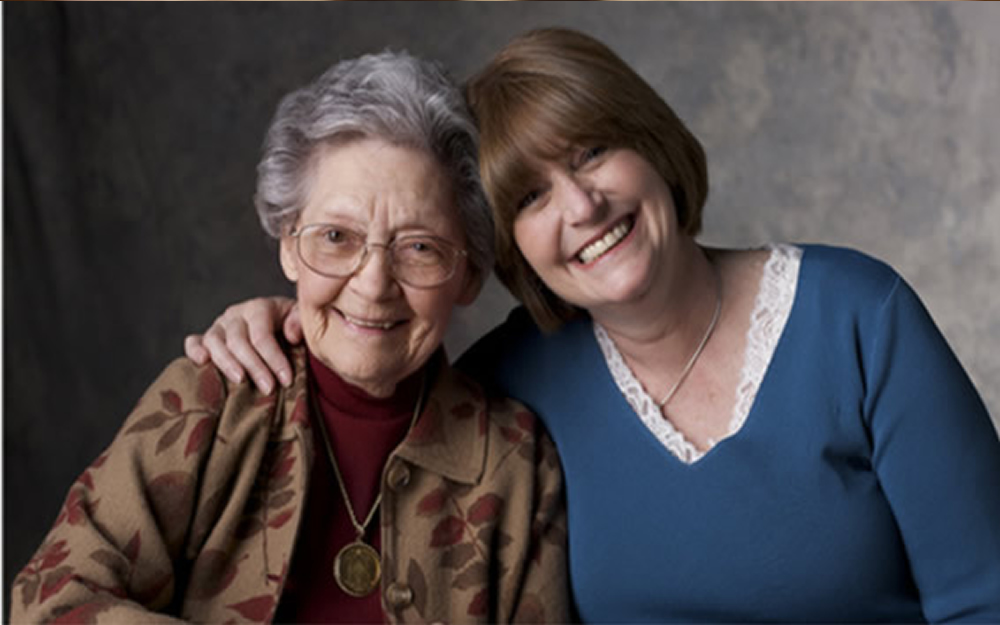
Two minute slideshow of people living in an Alzheimer’s facility in Orange County. This project was done for the 2005 OCC Social Issues Documentary Photography Scholarship by Mary Amor.
Video Rating: 4 / 5
Share and Enjoy
Filed under Alzheimer's Info by

Cynthia Lemere of Harvard Medical School shares her findings on the link between inflammation and Alzheimer’s disease. Series: “Inflammation as Cause and Consequence of Disease” [1/2008] [Health and Medicine] [Show ID: 13576]
Share and Enjoy
Filed under Alzheimer's Info by
Performance Network Theatre Will Host a Benefit for the Alzheimer’s Association, Michigan Great Lakes Chapter, Sunday, February 26, 2006
ANN ARBOR, MI (PRWEB) February 22, 2006
Performance Network Theatre is pleased to announce that it will host a Benefit for the Alzheimer’s Association, Michigan Great Lakes Chapter, on Sunday, February 26, 2006. The day’s events will include a conversation with representatives of the Alzheimer’s Association and the Michigan Alzheimer’s Disease Research Center (MADRC), a catered reception, and an evening performance of MOONGLOW by Kim Carney, the critically- acclaimed new play about one family’s struggle with the disease.
One of the artist’s crucial functions is to “create a public forum for discussion on important issues we face as a society,” according to Executive Artistic Director Carla Milarch. “We are so grateful to Kim for giving us all this opportunity to examine an issue that effects so many of us deeply – Alzheimer’s disease and the impact it has on individuals and their families.” As a reflection of our commitment to this principle, Performance Network has assembled a panel of experts, including a neurologist, a caregiver and a social worker, to address the various questions and concerns that arise in any discussion of Alzheimer’s and other dementia disorders.
The panel discussion will take place on Sunday, February 26, 2006 from 4:30pm until 5:30pm, followed by a catered reception in the main lobby of the theatre. The day’s events will culminate in a benefit performance of MOONGLOW at 7:00pm. Admission to the panel and reception is free, tickets to the performance are $ 24.50, with $ 14.50 benefiting the Alzheimer’s Association. Tickets can be purchased at the box office, by telephone at 734-663-0681 or online at http://www.performancenetwork.org.
About the Play:
In this comic-drama, Kim Carney blends her trademark humor with exquisite pathos in the story of a woman moving her mother into an assisted living facility. A tough-as-nails spitfire determined not to go quietly, she causes a ruckus, finds a jitterbugging partner and teaches her daughter a valuable lesson before the play is through. Full of music, dancing and love – and based on the playwright’s own experiences – “Moonglow” will make you want to hug the ones you love just a little bit tighter.
About the Panelists:
Cassie Messmer, LBSW, is the Education and Training Coordinator for the Alzheimer’s Association, Michigan Great Lakes Chapter. She has worked with individuals with dementia and family members for ten years through various organizations, including the Michigan Alzheimer’s Disease Research Center and the Department of Neuropsychology at U of M Hospital. Cassie obtained her Masters in Social Work, with a gerontology focus, from the University of Michigan.
Charlie Duncan is an active volunteer for the Alzheimer’s Association, Michigan Great Lakes Chapter. He was the primary caregiver for his wife, Mary Jane, who was diagnosed with Alzheimer’s disease in 1996. He shares his experiences and memories of his wife through his short stories and poetry.
Dr. Scott Turner is Associate Professor of Neurology at the University of Michigan and Co-Director of the Michigan Alzheimer’s Disease Research Center at the University of Michigan. He is also Chief of the Neurology Service at the VA Ann Arbor Healthcare System. Dr. Turner received his Ph.D. and M.D. from Emory University in Atlanta and did his internship, residency, and fellowship training at the Hospital of the University of Pennsylvania in Philadelphia.
###
©Copyright 1997-
, Vocus PRW Holdings, LLC.
Vocus, PRWeb, and Publicity Wire are trademarks or registered trademarks of Vocus, Inc. or Vocus PRW Holdings, LLC.
Share and Enjoy
Filed under Alzheimer's Info by
Although there is no cure for the degenerative brain disorder known as Alzheimer’s, the good news is that modern medicine can help slow the disease’s progression.Watch More Health Videos at Health Guru: www.healthguru.com
Share and Enjoy
Filed under Alzheimer's Info by
In Randolph, sudden switch in principals
When pupils at the Martin E. Young Elementary School return to class next week, they will have a new principal.
Read more on Boston Globe
Salt Lake Alzheimer’s patient to ride ‘Boomer Express’
Kathryn Romney and her husband, Leonard, love working together, whether they’re in their kitchen making dinner or out in the world helping others.
Caregivers experience ‘severe stress’
Maple Ridge residents taking care of family members with Alzheimer’s disease or other forms of dementia are experiencing severe stress, new studies show.
Share and Enjoy
Filed under Alzheimer's Info by
Alzheimer’s disease ? Causes, Symptoms, Diagnosis, Prognosis and Latest Treatment
Alzheimer’s disease (AD) is an irreversible, progressive brain disorder that occurs gradually and results in memory loss, behavior changes, and a decline in cognitive abilities. These losses are related to the death of brain cells and the breakdown of the connections between them.
The risk of developing AD increases with age. While it may be that 10% of the population aged over-65 has AD, the percentage of people aged 85 and older with AD is greater than 50 percent! (Table 1) On average, patients with AD live for 8 to 10 years after they are diagnosed, though the disease can last for up to 20 years.
Table 1. Percentage of people affected by Alzheimer’s disease
(Source: Progress Reports on Alzheimer’s Disease 2001)
AD advances by stages, from early, mild forgetfulness to a severe loss of mental function. This loss is called dementia. In most people with AD, symptoms first appear after age 60. The earliest symptoms often include loss of recent memory, faulty judgment, and changes in personality. Often, people in the initial stages of AD think less clearly and forget the names of familiar people and common objects.
Later in the disease, they may forget how to do simple tasks, such as washing their hands. Eventually, people with AD lose all reasoning ability and become dependent on other people for their everyday care. Finally, the disease becomes so debilitating that patients are bedridden and likely to develop other illnesses and infections. Most commonly, people with AD die from pneumonia.
It is estimated that up to 4 million people currently suffer with the disease and the prevalence doubles every 5 years beyond age 65. (Table 2) It is also estimated that approximately 360,000 new cases will occur each year, though this number will increase as the baby boomers are entering their 50′s.
Table 2. Estimation of Alzheimer’s Disease Patients in the U.S. (1998-2020)
Source: Volpe Brown Whelen & Co.
A number of research groups have examined differences in AD prevalence among racial and ethnic groups. Women are slightly more likely to develop AD than men and non-Caucasians (African Americans and Hispanic Americans) have a higher risk of developing AD than Caucasians.
Causes and Treatments
In general, clinical assessment is done by a family physician (PCP). If the diagnostic test, usually Mini-Mental State Exam (MMSE), points to Alzheimer’s disease, then the patient is referred to a neurologist who will then conduct the entire panel of diagnostic tests to confirm the disease. The neurologist may then work with a psychiatrist, geriatricians, pharmacist and social worker to develop a treatment protocol for the patients.
For those who are already suffering from the effects of AD, the most immediate need is to control their symptoms, including problem behaviors such as verbal and physical aggression, agititaion, wandering, depression, sleep disturbances, and delusions.
Currently, the FDA approved four medications for treating AD. All these products act by inhibiting acetylcholinesterase, which breaks down acetylcholine, a neurotransmitter that is important in maintaining cognitive functioning and is lost in patients with AD.(Table 3) These products, however, only provide symptomatic relief on cognitive symptoms and do not stop or reverse the progression of AD. When the disease progresses to a certain stage (usually 2 years), its therapeutic effects disappear and the drugs have to be withdrawn from the patients. Nevertheless, its temporary efficacy has been proven to delay nursing home placement and to reduce deterioration of cognitive performance.
Table 3. Selected product comparison of the Alzheimer’s disease category
Cognex®
Cognex® (tacrine) is the first reversible cholineseterase inhibitor drug approved for improving cognitive symptoms (i.e., memory, attention, reason, language, and the ability to perform simple tasks) associated with Alzheimer’s disease.
The use of Cognex® has been limited by its liver toxicity and an inconvenient dosing schedule. It has been reported that 50% of patients taking Cognex® experienced liver toxicity. As a result, patients on Cognex® require periodic liver function tests to monitor their liver enzyme level.
Furthermore, Cognex® has a cumbersome dosing schedule. While other cholinesterase inhibitors are required to be taken once or twice a daily, Cognex® has to be administered four times daily on an empty stomach.
Aricept®
Aricept® (donepezil) was the second cholinesterase inhibitor approved by the FDA for the treatment of mild to moderate dementia of the Alzheimer’s type.
Unlike the first generation cholinesterase inhibitor, Cognex®, Aricept® has a higher potency and lower incidence of peripheral adverse effect. In clinical studies, Aricept® has been demonstrated to improve memory, language and praxis (the performance of an action). Furthermore, Aricept® has not been associated with liver toxicity which was a major concern among physicians prescribing the first generation cholinesterase inhibitor.
Even though Aricept® has a convenient dosing schedule (the only once-daily chlolinesterase inhibitor) and better tolerability than other products such as Exelon®, it does not offer any significant additional clinical benefits compared with other cholinesterase inhibitors. All the existing cholinesterase inhibitor possess similar efficacy and none of them alter the long-term prognosis of Alzheimer’s disease. As a result, patients who have started taking Aricept® 2 to 4 years ago may experience reduced efficacy and may be required to switch to other drugs. In fact, a recent study demonstrated that 56% of AD patients who have previously failed to benefit from Aricept®, responded to Exelon®.
The initial recommended dose is 5 mg daily before bedtime, with an increase to 10 mg after four to six weeks, according to the patient’s response and tolerance.
Share and Enjoy
Filed under Alzheimer's Info by
Oak Brook, IL (Vocus) June 24, 2008
An automated system for measuring brain tissue with magnetic resonance imaging (MRI) can help physicians more accurately diagnose Alzheimer’s disease at an earlier stage according to a new study published in the July issue of the journal Radiology.
In Alzheimer’s disease, nerve cell death and tissue loss cause all areas of the brain, especially the hippocampus region, to shrink. MRI with high spatial resolution allows radiologists to visualize subtle anatomic changes in the brain that signal atrophy, or shrinkage. But the standard practice for measuring brain tissue volume with MRI, called segmentation, is a complicated, lengthy process.
“Visually evaluating the atrophy of the hippocampus is not only difficult and prone to subjectivity, it is time-consuming,” explained the study’s lead author, Olivier Colliot, Ph.D, from the Cognitive Neuroscience and Brain Imaging Laboratory in Paris, France. “As a result, it hasn’t become part of clinical routine.”
In the study, the researchers used an automated segmentation process with computer software developed in their laboratory by Marie Chupin, Ph.D., to measure the volume of the hippocampus in 25 patients with Alzheimer’s disease, 24 patients with mild cognitive impairment and 25 healthy older adults. The MRI volume measurements were then compared with those reported in studies of similar patient groups using the visual, or manual, segmentation method.
The researchers found a significant reduction in hippocampal volume in both the Alzheimer’s and cognitively impaired patients when compared to the healthy adults. Alzheimer’s patients and those with mild cognitive impairment had an average volume loss in the hippocampus of 32 percent and 19 percent, respectively. Studies using manual segmentation methods have reported similar results.
“The performance of automated segmentation is not only similar to that of the manual method, it is much faster,” Dr. Colliot said. “It can be performed within a few minutes versus an hour.”
According to the Alzheimer’s Association, more than five million Americans currently have Alzheimer’s disease. One of the goals of modern neuroimaging is to help in the early and accurate diagnosis of Alzheimer’s disease, which can be challenging. When the disease is diagnosed early, drug treatment can help improve or stabilize patient symptoms.
“Combined with other clinical and neurospychological evaluations, automated segmentation of the hippocampus on MR images can contribute to a more accurate diagnosis of Alzheimer’s disease,” Dr. Colliot said.
AT A GLANCE
Researchers have developed a new automated system to help in earlier and more accurate diagnosis of Alzheimer’s disease.
In Alzheimer’s disease, nerve cell death and tissue loss cause all areas of the brain, especially the hippocampus region, to shrink.
MRI with automated segmentation quickly and accurately measures tissue loss in the hippocampus.
“Discrimination of Alzheimer’s Disease, Mild Cognitive Impairment and Normal Aging Using Automated Segmentation of the Hippocampus.” Collaborating with Dr. Colliot and Dr. Chupin on this paper were Gaël Chételat, Ph.D., Béatrice Desgranges, Ph.D., Benoît Magnin, Habib Benali, Ph.D., Bruno Dubois, M.D., Ph.D., Francis Eustache, Ph.D., and Stéphane Lehéricy, M.D., Ph.D. Journal attribution requested.
Radiology is edited by Herbert Y. Kressel, M.D., Harvard Medical School, Boston, Mass., and owned and published by the Radiological Society of North America, Inc. (RSNA.org/radiologyjnl)
The Radiological Society of North America (RSNA) is an association of more than 41,000 radiologists, radiation oncologists, medical physicists and related scientists committed to excellence in patient care through education and research. (RSNA.org)
For patient-friendly information on brain MRI, visit RadiologyInfo.org.
Share and Enjoy
Filed under Alzheimer's Info by
Alert issued for missing Apopka man with Alzheimer’s disease
The Orange County Sheriff’s Office today issued an alert for a 71-year-old Apopka man who is missing and without his medication for Alzheimer’s disease.
Read more on Orlando Sentinel
Boomers face the frightening world of Alzheimer’s disease
NEWBURGH — Baby boomers have another hurdle to face — Alzheimer’s disease.
Read more on Middletown Times Herald-Record
Alzheimer’s research update
Alzheimer’s disease researchers have been working for a while with a small, sticky protein fragment, beta amyloid, that clumps into balls in the brains of patients with this degenerative neurological disease. It is a normal protein that is present in every normal brain but in Alzheimer’s it starts to accumulate into these balls or plaques. On buildup of amyloid symptoms of the disease appear.
Read more on News-Medical-Net
Share and Enjoy
Filed under Alzheimer's Info by
A daughter’s perspective upon learning that her mother has Alzheimer’s Disease.
Video Rating: 4 / 5
Walking may slow cognitive decline in adults with MCI, Alzheimer’s disease
Walking may slow cognitive decline in adults with mild cognitive impairment (MCI) and Alzheimer’s disease, as well as in healthy adults, according to a study presented today at the annual meeting of the Radiological Society of North America (RSNA).
Read more on News-Medical-Net
Perhaps you’ve witnessed close friends or relatives become a shell of their former selves as their mental abilities wither away from the debilitating effects of Alzheimer’s disease. It is a truly tragic occurrence to endure. If you haven’t been in this unfortunate position, consider yourself very lucky.
Currently, more than 5 million people suffer from Alzheimer’s disease in the United States. Approximately 12.5% of Americans older than 65 are at risk for Alzheimer’s, and that figure jumps to a staggering 50% for those over 85. As the baby boomer generation approaches their mid 60’s, you will most likely see these figures rise even higher.
Currently, there is no 100% proven method of prevention against Alzheimer’s disease. It is a complex and nuanced disorder, and while doctors and researchers are making great strides, they are still not fully certain as to all of the causes and best prevention practices.
However, recent discoveries point to the fact that prevention against Alzheimer’s disease lies mainly in how you live your life. As with many other devastating diseases such as cancer, heart disease and stroke, adapting healthy lifestyle practices has been found to be the best way to prevent Alzheimer’s.
4 Pillars of Alzheimer’s Prevention
“We have to realize that the era of the magic bullet – drugs for the treatment of Alzheimer’s disease – is over. We need to take an integrative approach, like they do for heart disease. What works for the heart, works for the head,” contends Dr. Dharma Singh Khalsa, M.D., President and Medical Director of the Alzheimer’s Research and Prevention Foundation.
Dr. Khalsa has been working to fight Alzheimer’s disease with the non-profit ARPF since 1993. He has developed his “4 Pillars of Alzheimer’s Prevention” which he asserts are the most effective way to avoid developing the disease.
Pillar 1 – Diet and Vitamins
According to Dr. Khalsa, a proper Alzheimer’s prevention diet should consist of 20% “good” fat (including extra virgin olive oil, avocado, and flaxseed oil), 40% lean protein (especially fish), and 40 % complex carbohydrates and vegetables.
It is important to avoid a diet high in trans-fat, saturated fat, and cholesterol. Eating foods rich in anti-oxidants is very important. Many foods high in vitamins C and E are also rich in anti-oxidants. Blueberries, grapes, cranberries, papaya, apples, and green leafy vegetables are all a good source of anti-oxidants.
Omega-3 fatty acids, found in salmon, trout, albacore tuna, and spinach, help prevent the build-up of plaques in the brain. It’s also important for you to take a high potency multi-vitamin that contains folic acid and vitamin C.
Pillar 2 – Stress Management
High cholesterol, high blood pressure, and high cortisol levels can all lead to developing Alzheimer’s. And stress is a major factor in all of these conditions.
Cortisol is a stress chemical released in your body. In excess, it damages the cells in your brain’s memory center. And as stress and cortisol levels increase, your chances for memory loss increase dramatically.
Regular stress relaxation practice has been shown to improve focus, attention, and mental performance. Some practical stress management techniques include meditation, yoga, hypnosis, relaxation exercises, prayer, and deep breathing.
Pillar 3 – Mind and Body Exercise
It is important to engage in both physical and mental exercise on a regular basis. Research has shown a link between cardiovascular health and brain functioning. This makes perfect sense, since your heart is responsible for pumping blood to your brain.
Physical exercise has been found to reduce your risk of developing Alzheimer’s by as much as 50%. The following activities will provide you with a more than adequate regimen of physical activity to keep your brain healthy: 30 minutes of regular brisk walking, jogging, dance classes, swimming, hiking, and regular participation in sports.
It is also important to engage in a variety of mental activities. Mental exercise can reduce your risk for Alzheimer’s by 70%.
Stimulating the brain can increase the number of brain cells you have as well as the connections between these cells. It can also strengthen your current brain cells.
Dr. Khalsa stresses the importance of participating in a variety of mental exercises. The mind is kept sharper when activities are varied and new. Sticking to the same routine mental exercises doesn’t help maintain brain functioning very much.
Some good activities for maintaining healthy brain functioning include learning something new (a musical instrument, a foreign language, a hobby, etc.), memory games, taking a class, reading (especially challenging material), crossword puzzles and Sudoku games, and writing (stories, articles, poetry, memoirs, etc.).
Pillar 4 – Pharmaceuticals
Cholinesterase inhibitors are effective in slowing down the decline in cognitive abilities brought on by Alzheimer’s. Other drugs that are commonly used to treat the disease include Aricept, Exelon, Namenda, and Razadyne.
Always make sure to consult your doctor before using these medications, and go for regular check-ups to make sure that your body isn’t experiencing any harmful side effects from these drugs.
It’s never too early to start your program of prevention against Alzheimer’s disease. By adopting healthier lifestyle practices when you are young, you can enjoy better mental functioning as you reach the later years of your life.
Share and Enjoy
Filed under Alzheimer's Info by
Dr. Miguel Pappolla
Drexel Hill Time